The journal
Latest
New reporting, memory, and practical knowledge from across the Himachali community.
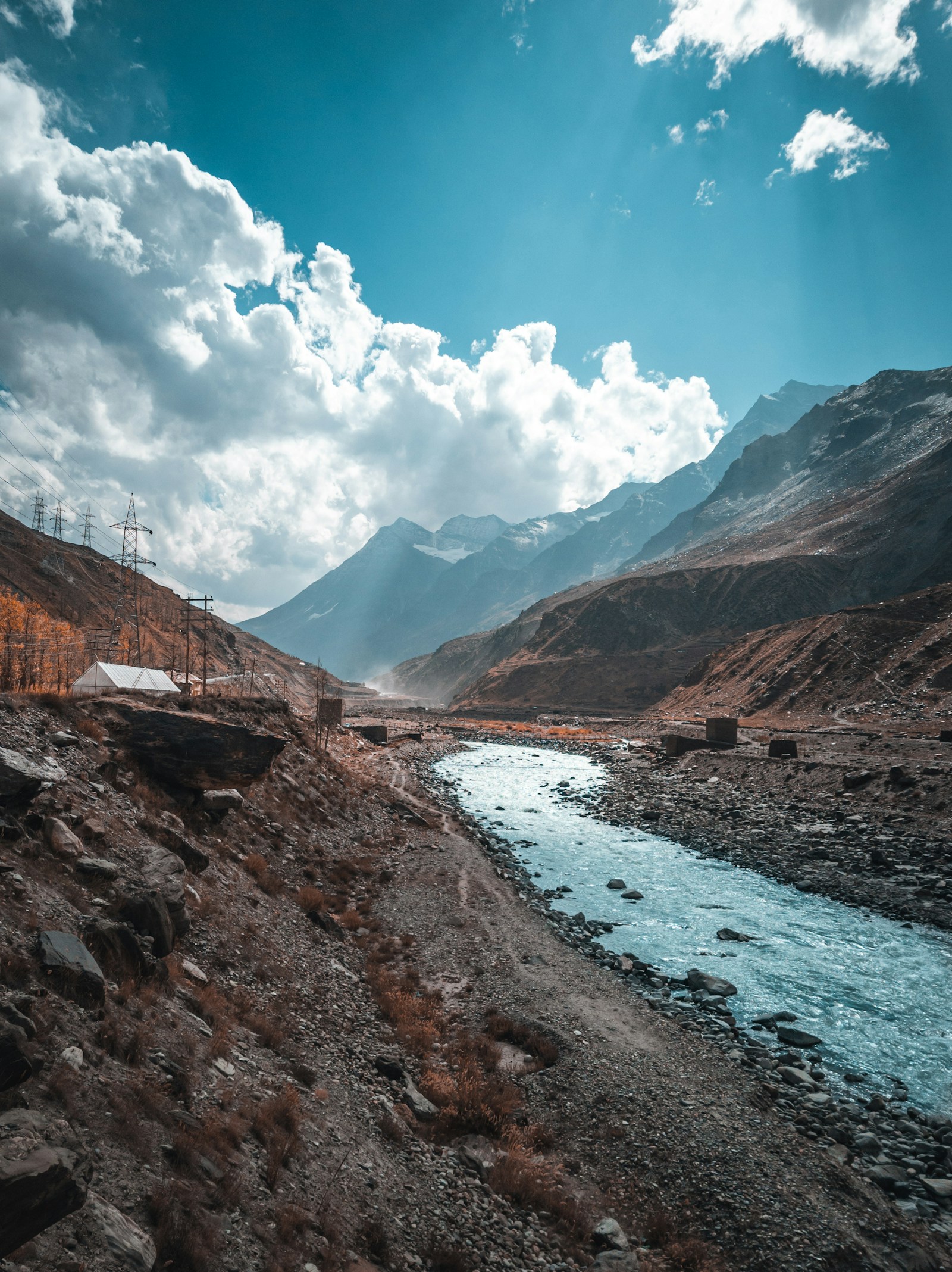
Reviewed entries
Lahaul and Spiti District
Lahaul and Spiti's history begins with two distinct tracts, follows changing Kangra-era administration, and separates the DCHB-reported 1960 district from its statutory 1966 transfer.
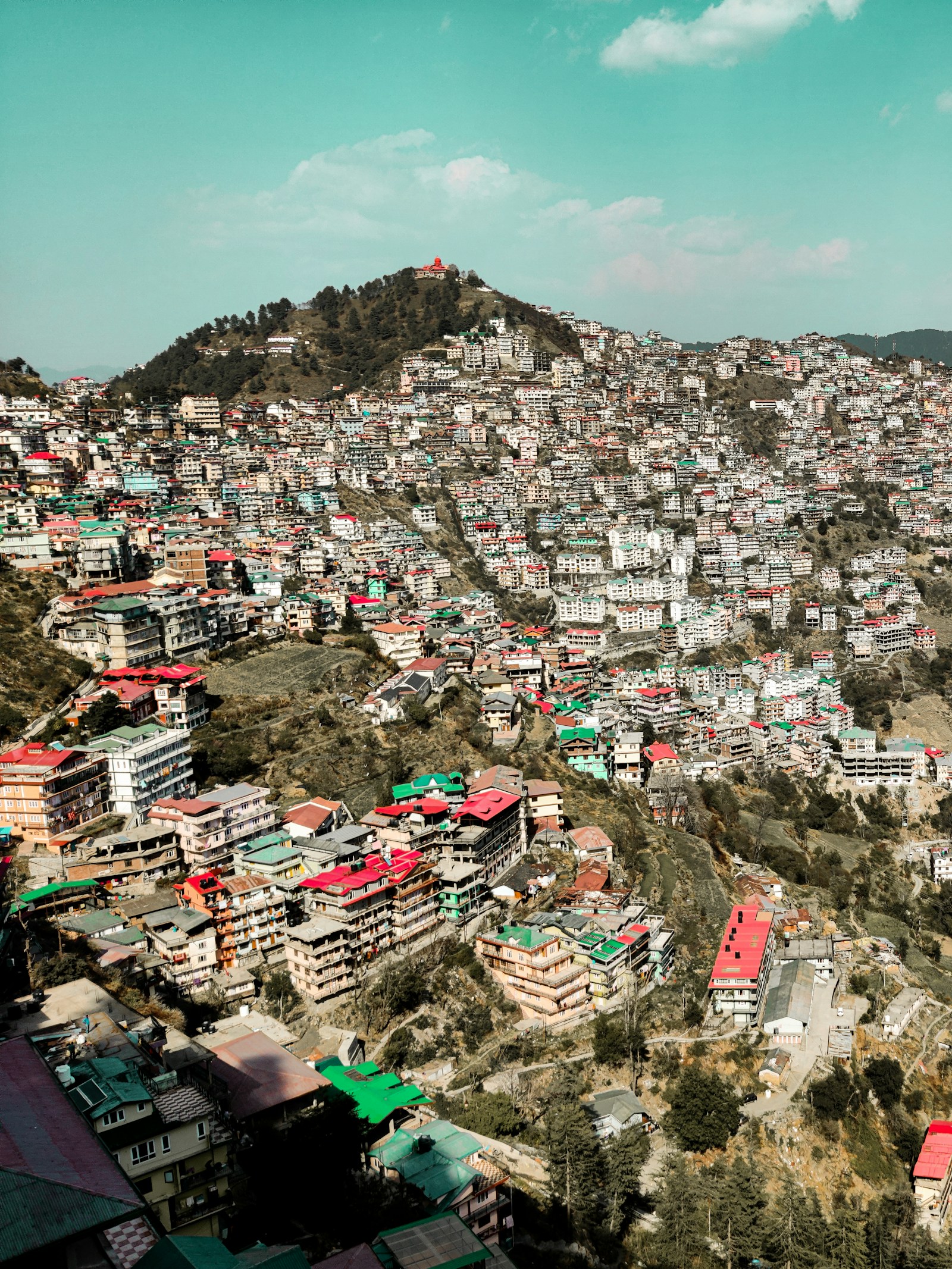
Shimla District
Shimla's district history separates the colonial town, former hill states, the 1966 transfer of statutory Simla, and the DCHB-reported district reorganization of 1972.
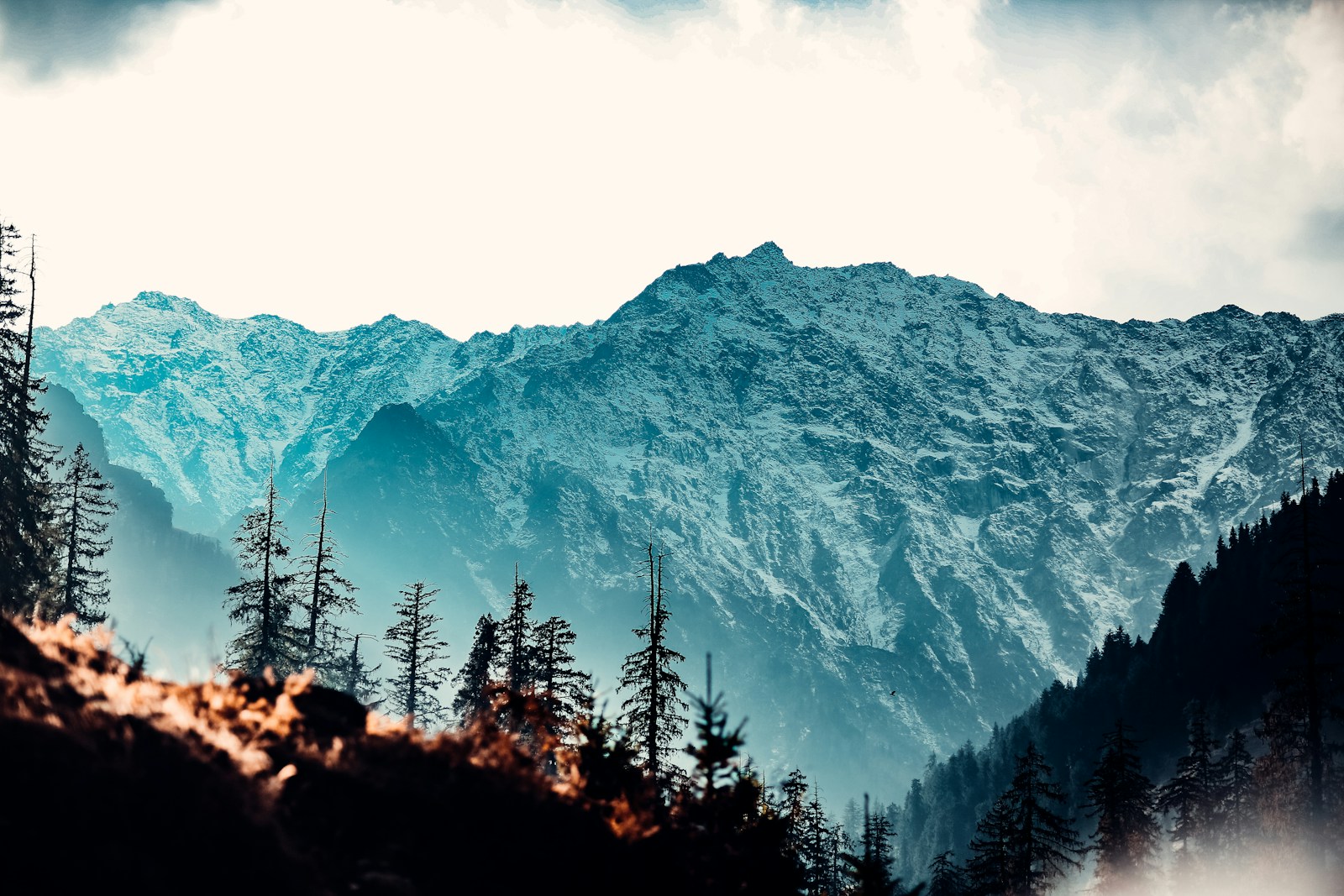
Kullu District
Kullu's layered history separates textual and dynastic traditions from numismatic argument, changing Kangra administration, Punjab district status in 1963, and statutory transfer in 1966.
Sirmaur District
Sirmaur's recorded past joins a former hill state, source-dependent name and foundation traditions, conflict and restoration, administrative reform, and the handbook's account of district reconstitution under a 1948 notification.
Mandi District
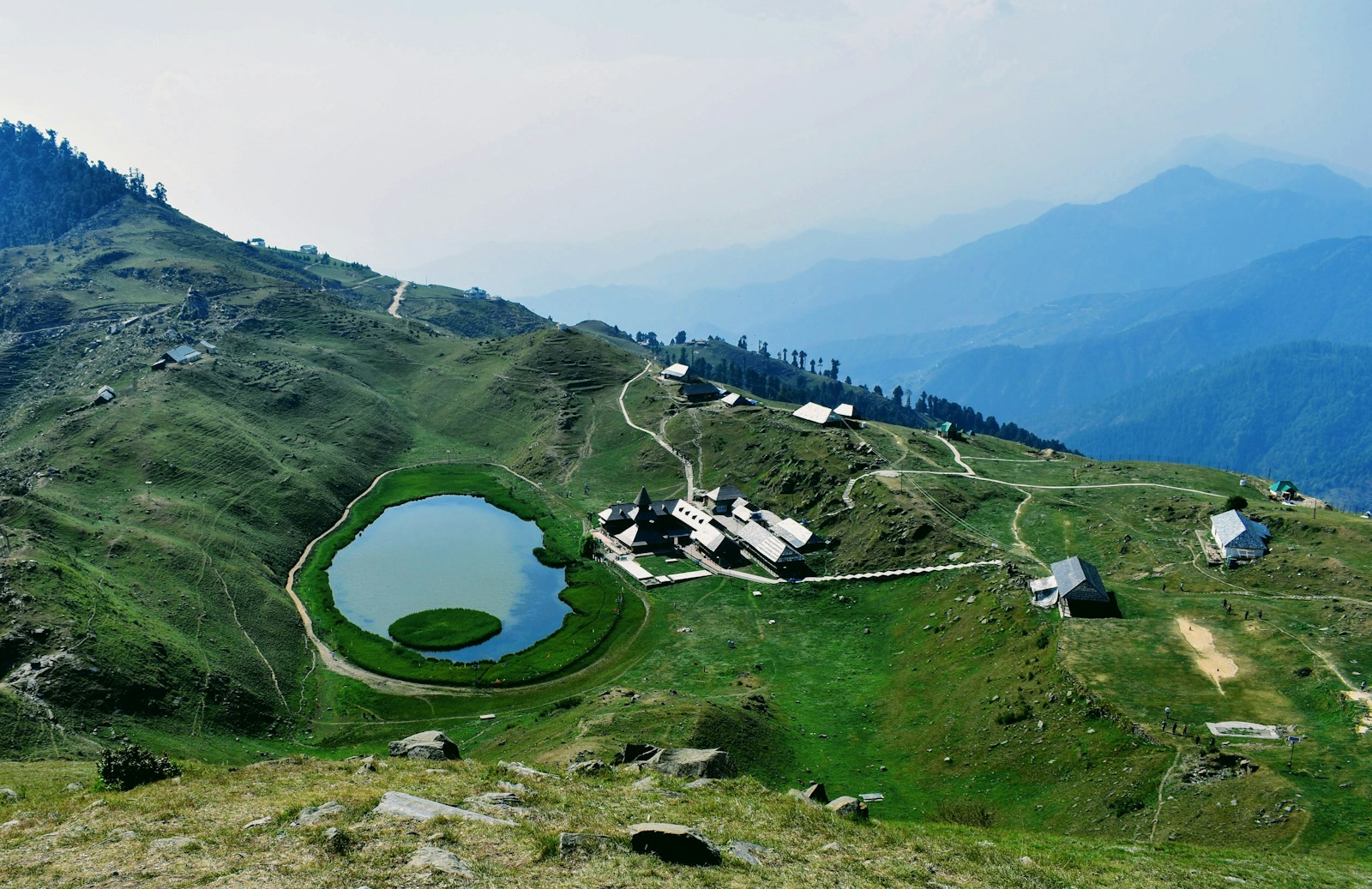
Mandi's history joins two separately documented hill states, layered naming and dynastic traditions, material evidence, the 1846 British transition, and their 1948 amalgamation into one district.
Solan District
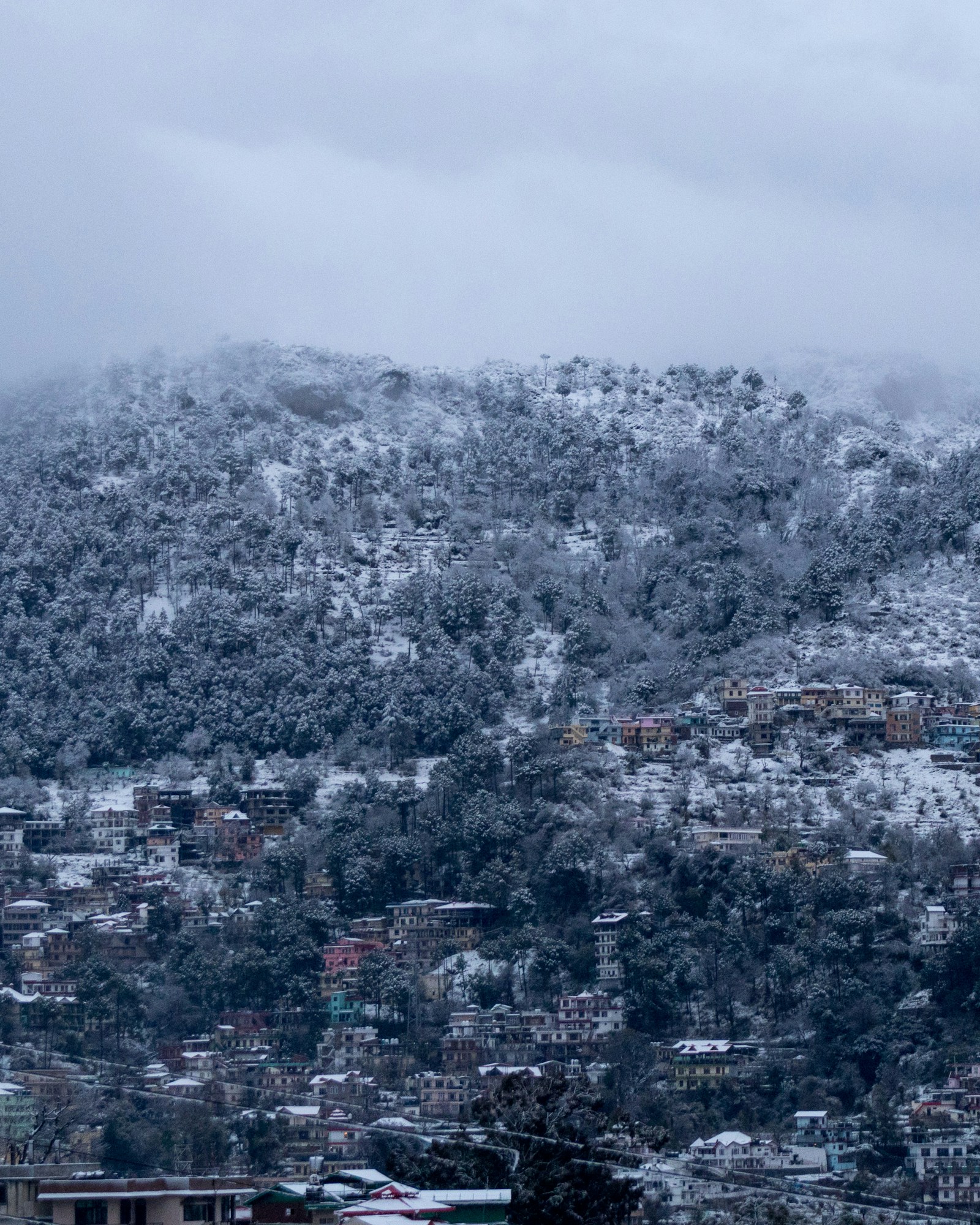
Solan's history is that of a modern district assembled in 1972 from territories with distinct hill-state, provincial, cantonment, institutional, and railway histories.
Una District
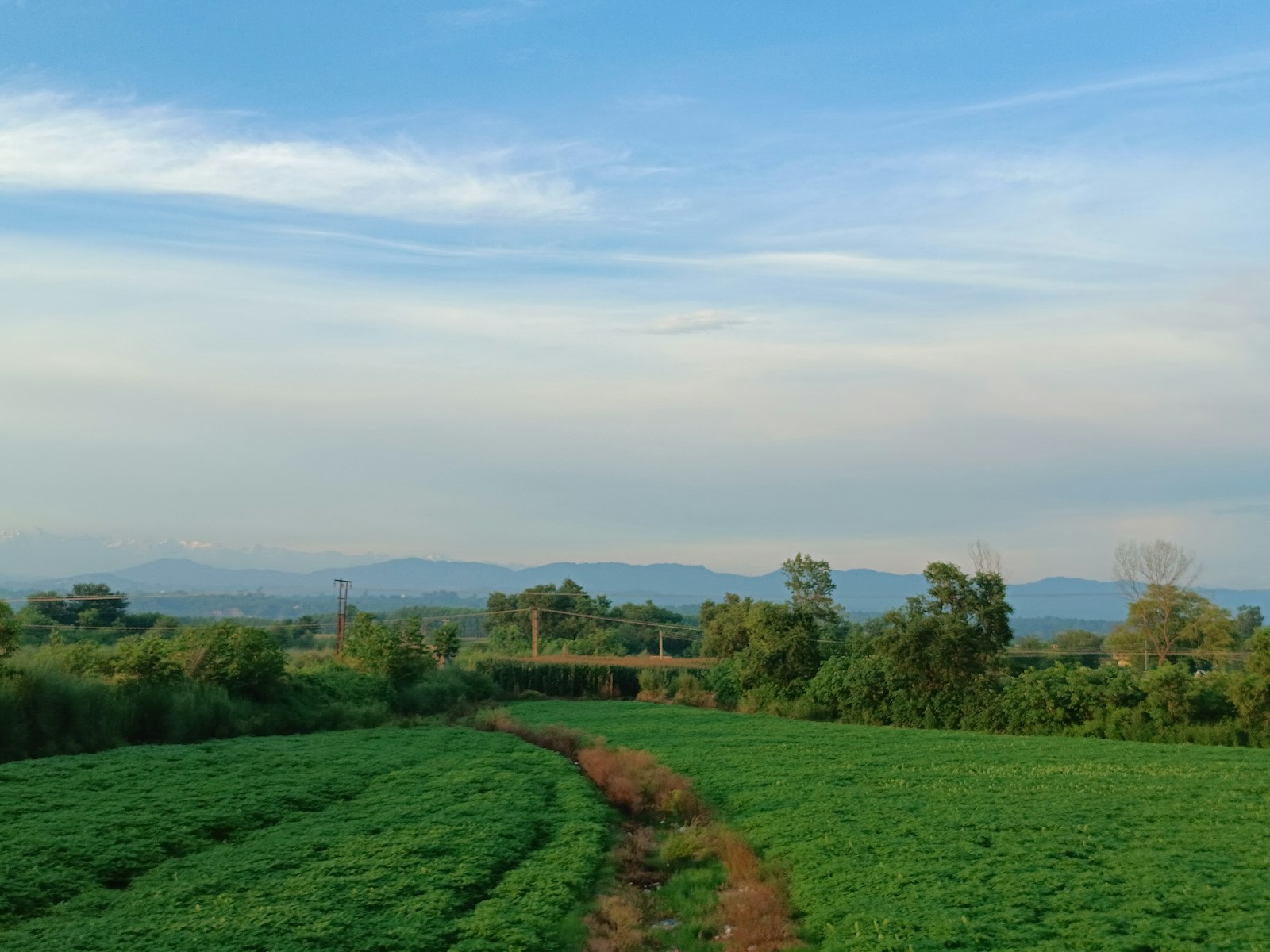
Una's modern boundary joins the distinct histories of Jaswan, the Bedi estate centred on Una town, Chauki-Kuthlehar, colonial Hoshiarpur, and post-1966 reorganisation.
Hamirpur District
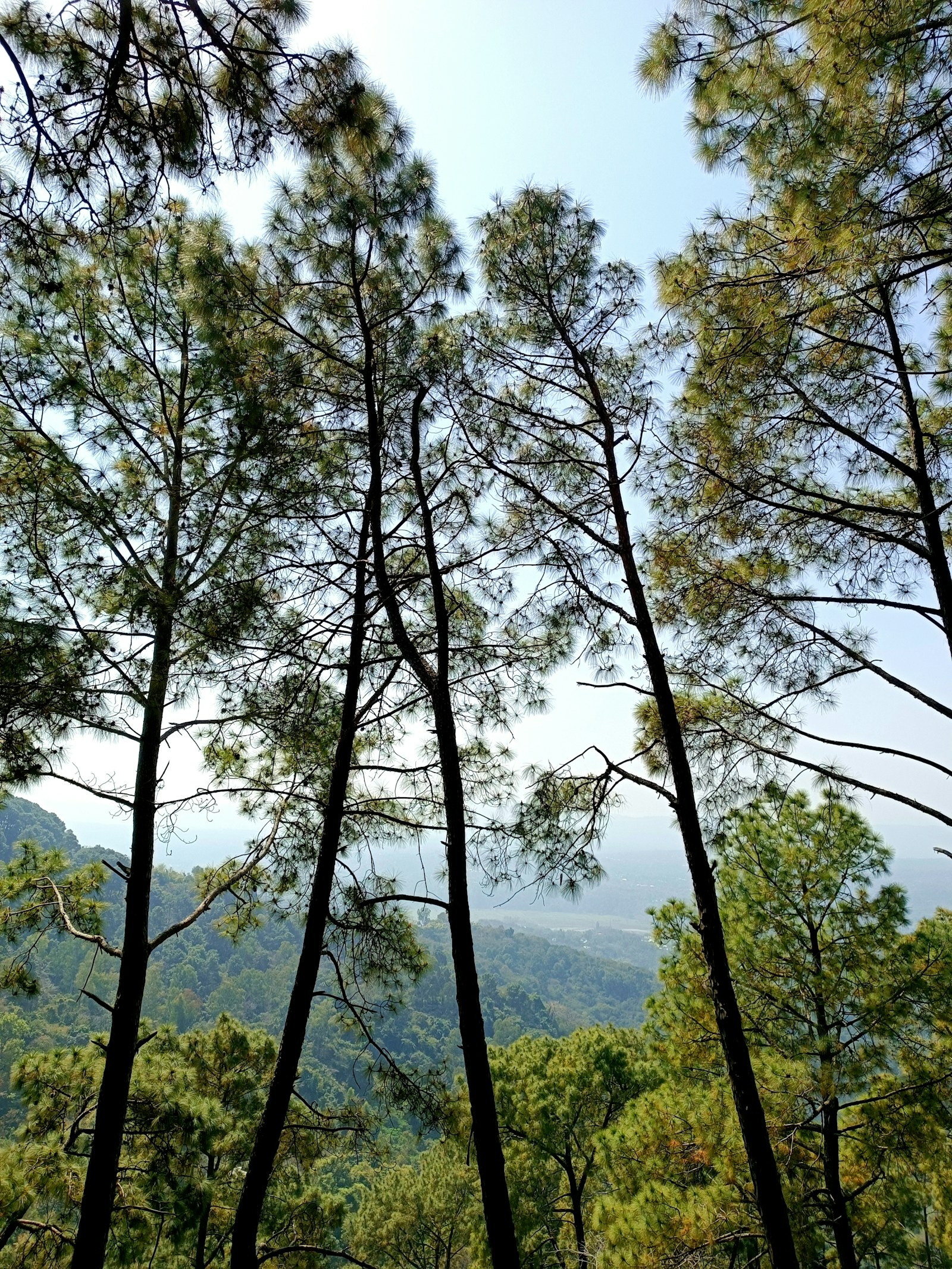
Hamirpur's history spans lower-hill landscapes, Katoch court traditions, colonial Kangra administration, the 1966 transfer, and district formation in 1972.
Bilaspur District
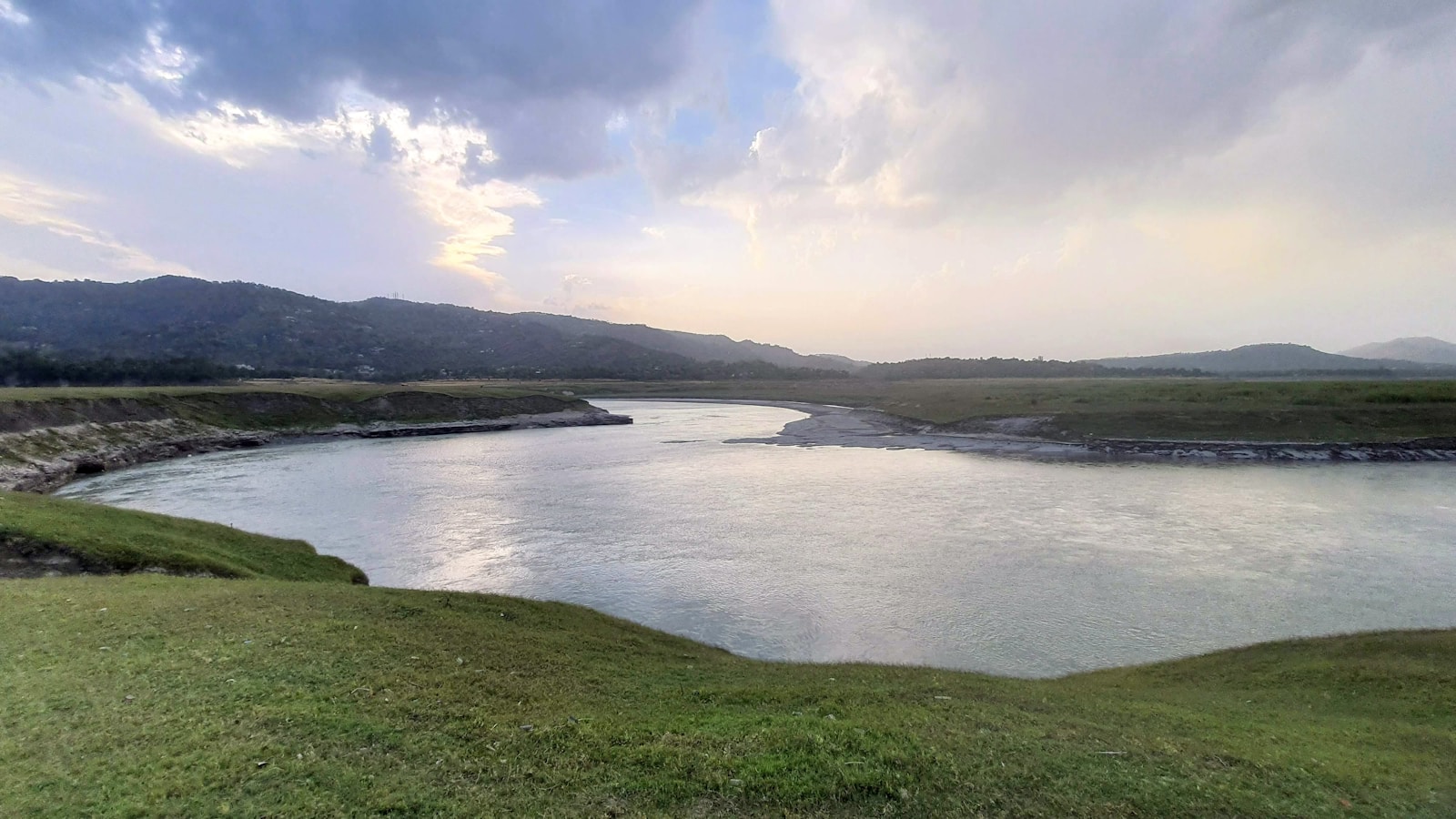
Bilaspur's history links Kahlur tradition, a documented princely river town, post-independence integration, and the spatial rupture created by Bhakra and Gobind Sagar.
Chamba District
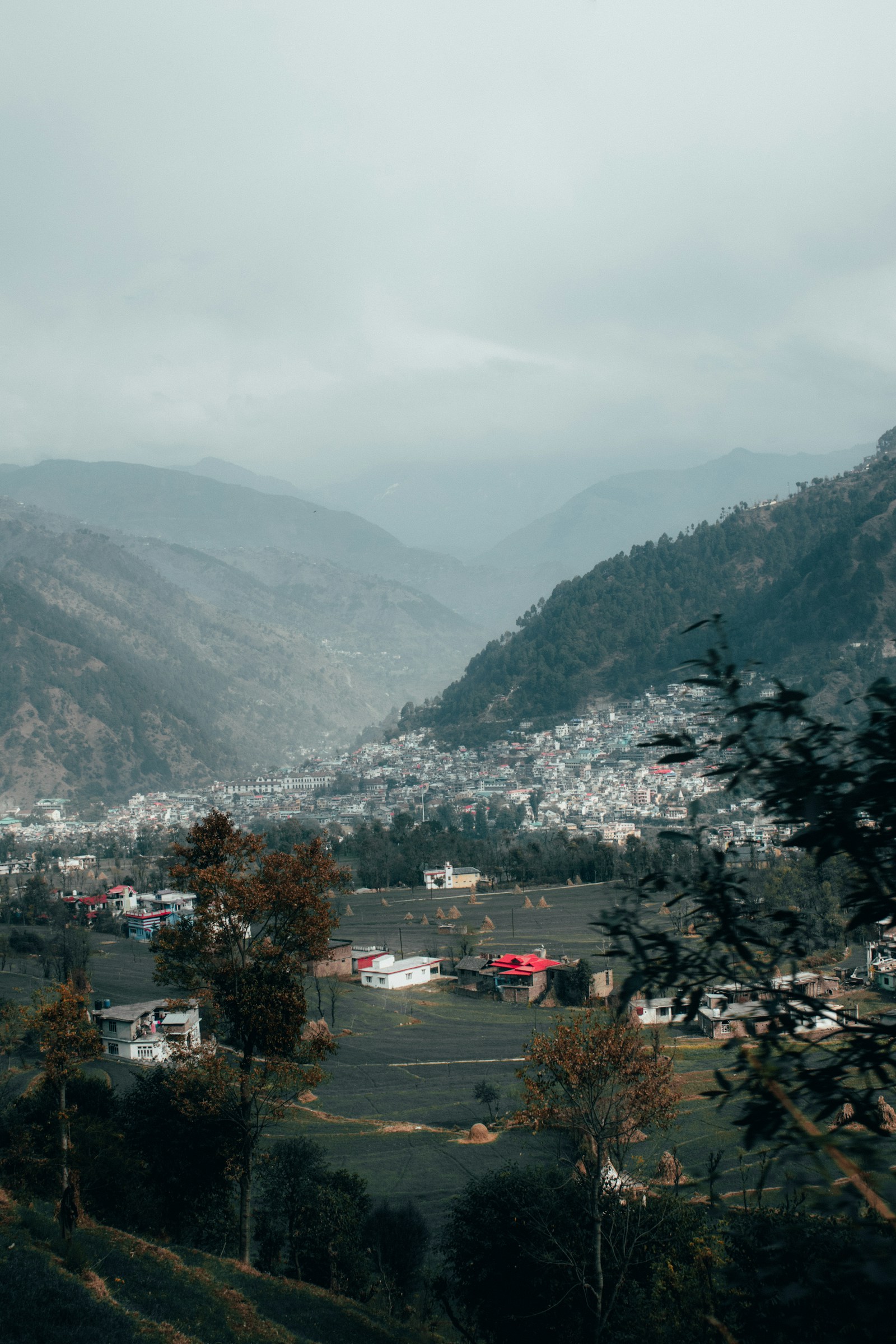
Chamba's inscriptions, copperplates, court traditions, museum collections, and administrative records reveal a layered history that differs across its valleys.
Chambeali Language
Chambeali is an Indo-Aryan language name associated with parts of Chamba, documented through varied spellings, a combined census label, historical surveys, and Takri records.
Chha Gosht
Chha Gosht is a Himachali meat preparation represented in published versions with mutton or lamb, cultured dairy, spices, and sometimes gram flour.
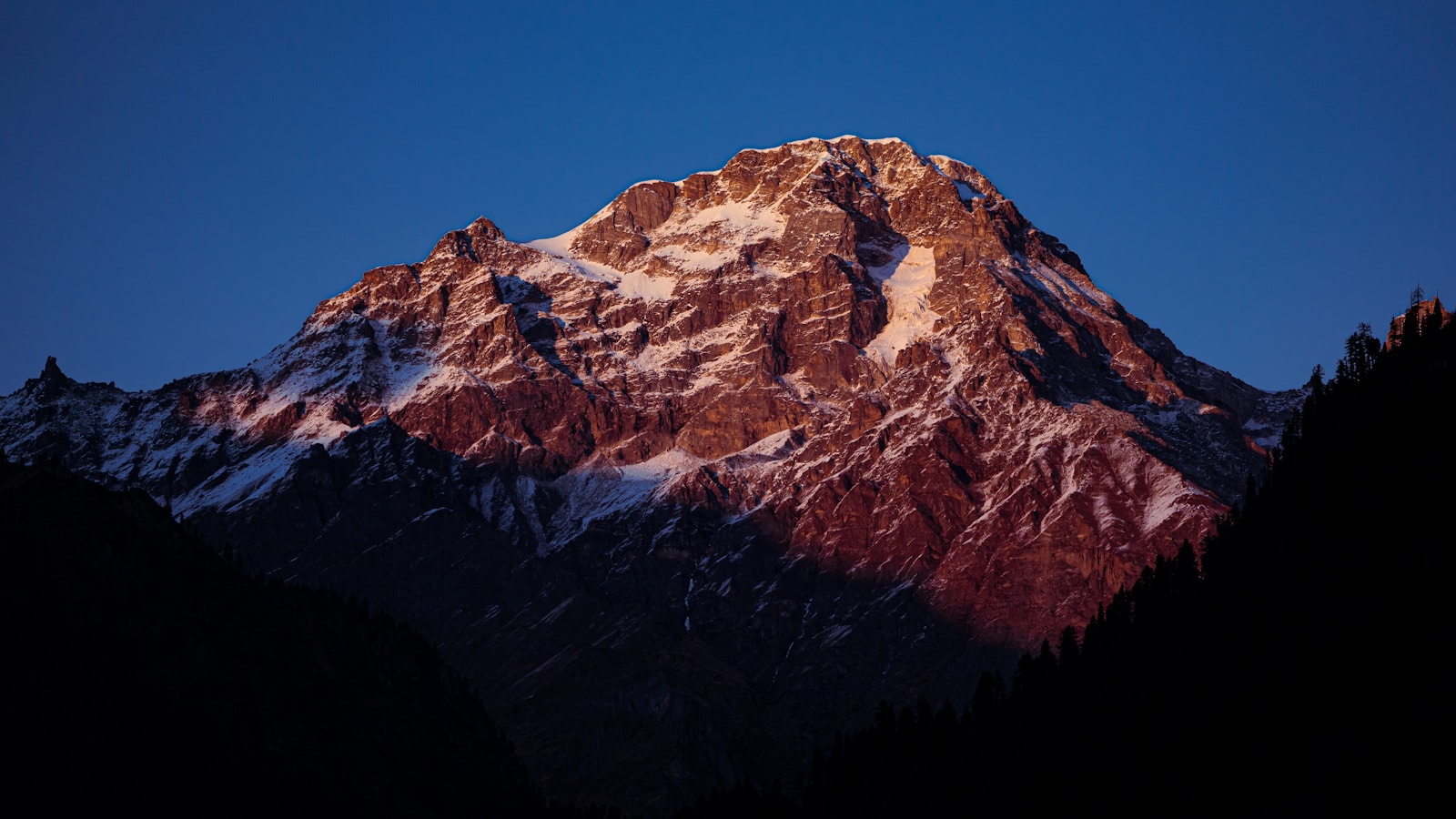
Planning a Visit to the Great Himalayan National Park
A conservation-first planning guide to GHNP that distinguishes the national park from the UNESCO property and treats permits, routes, closures, weather, and guiding as live checks.
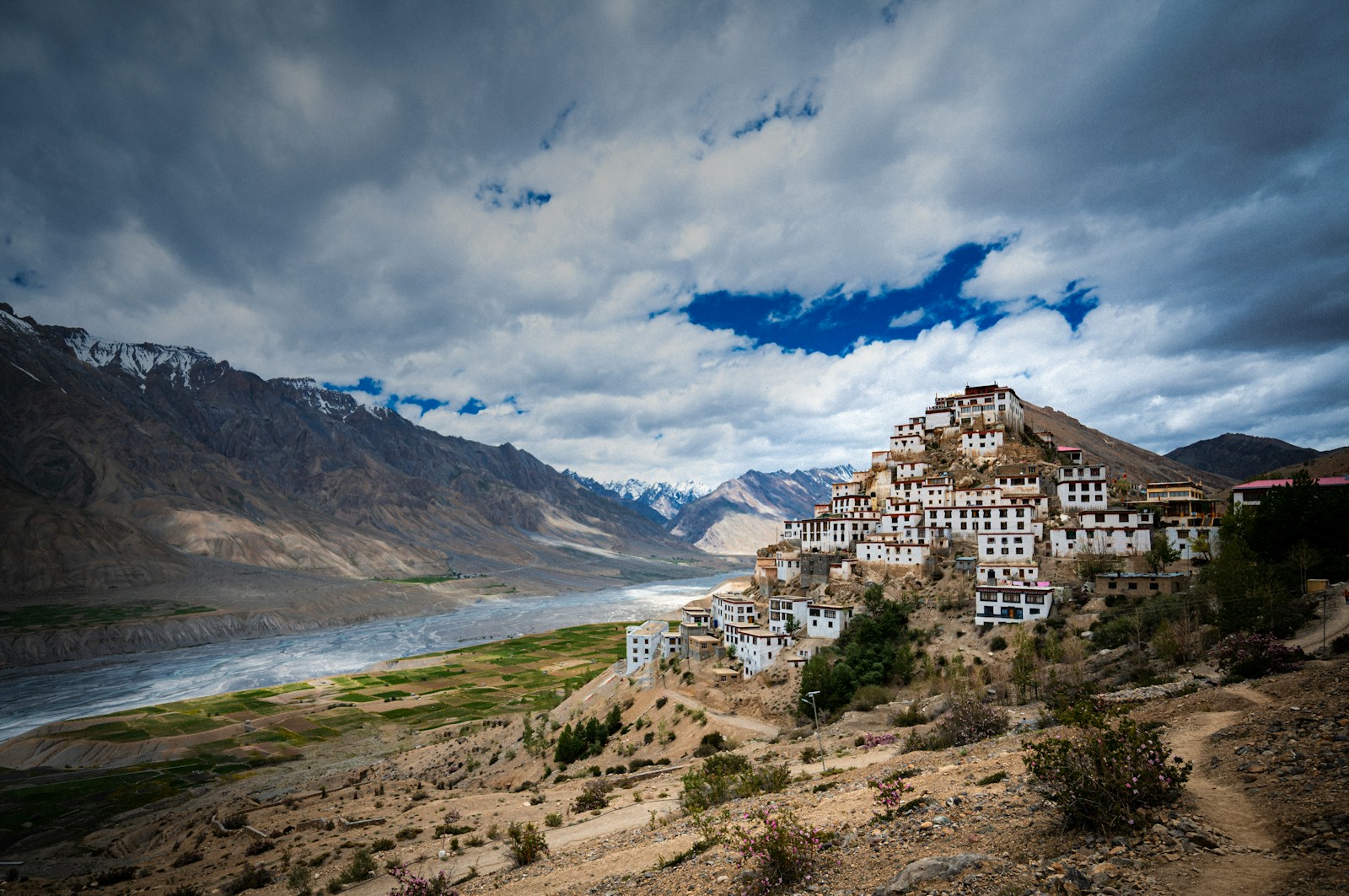
Halda in Lahaul: A Locality-First Guide to a Winter Festival of Lights
Halda names locally varied winter festival-of-lights observances in Lahaul, while Pattan Valley's related celebration is officially described as Khogla.
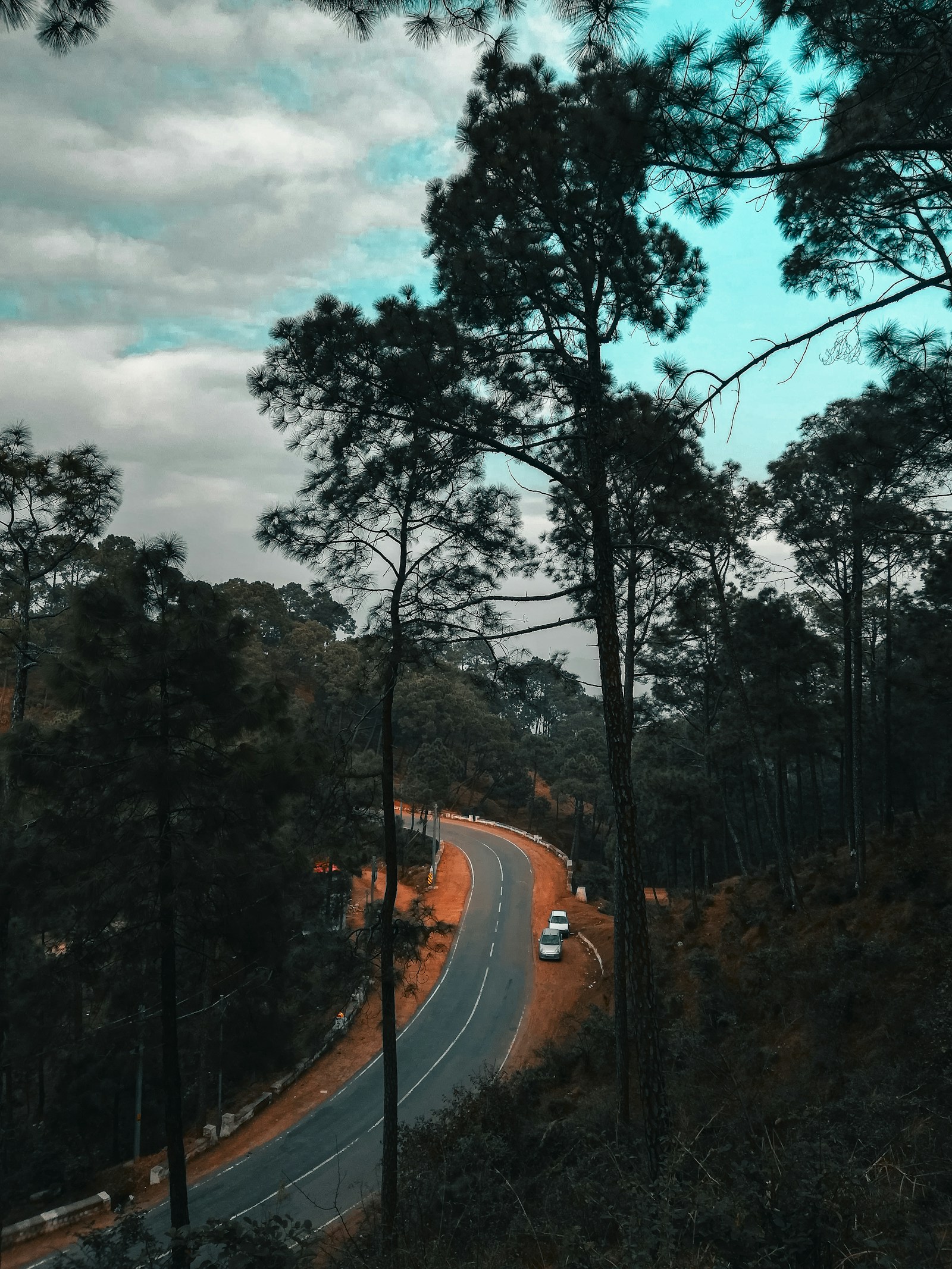
Travelling in Himachal During the Monsoon: A Safety-First Guide
A conditional, safety-first approach to Himachal monsoon travel using current IMD warnings, route-specific checks, daylight plans, flexible bookings, and clear turnaround decisions.
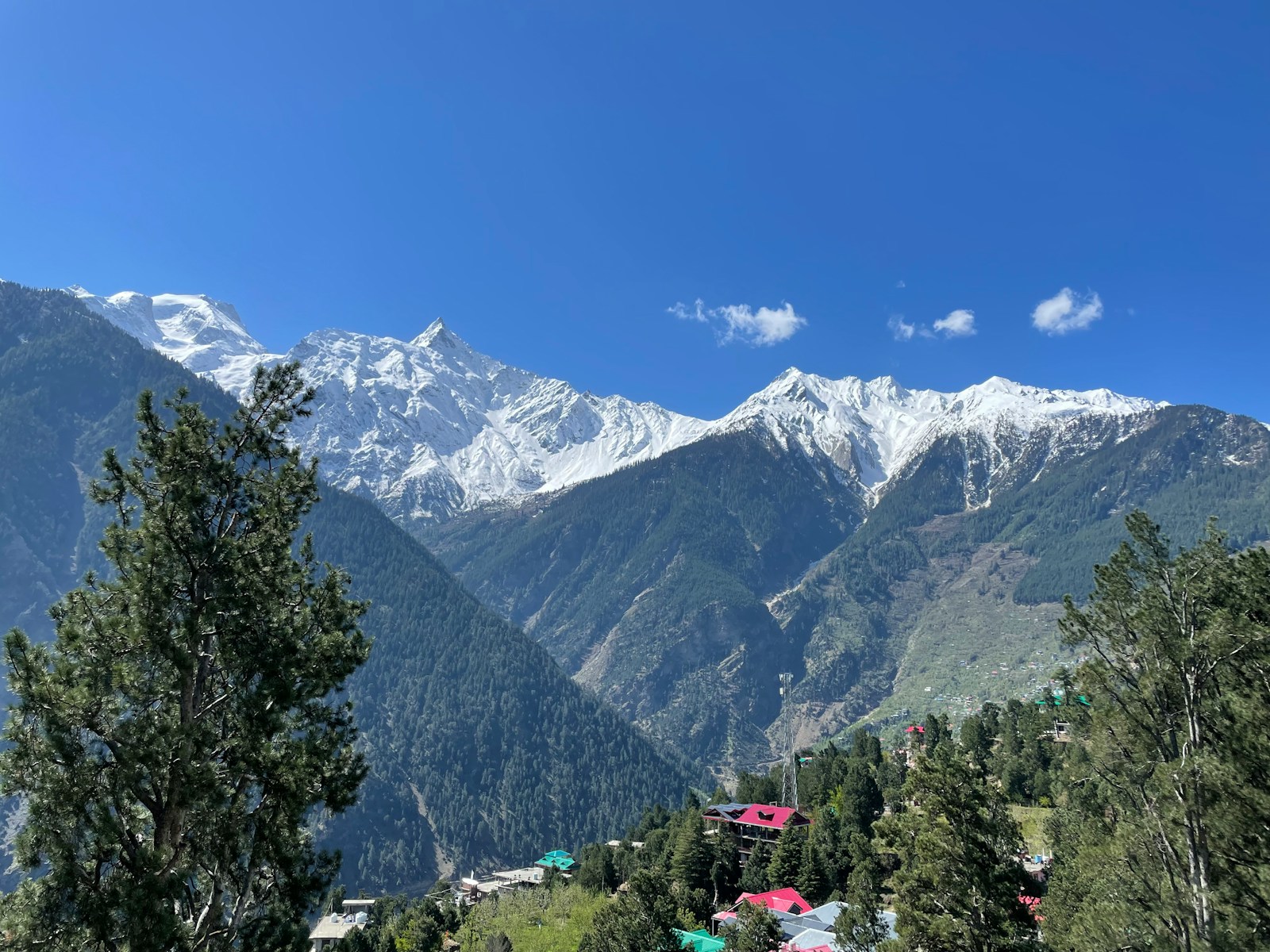
Kinnaur District
Kinnaur's history emerges from varied valleys, limited early evidence, local and dynastic traditions, changing mountain routes, colonial frontiers, and district formation in 1960.
Kinnauri Languages
Kinnauri names a multilingual landscape in which locality, community, census returns, and linguistic classification do not fit one simple district-wide label.
Madra
Madra is a family of Himachali yoghurt-based preparations, often pairing chickpeas or kidney beans with a carefully cooked dairy gravy for dham and other celebrations.
Maghi in Sirmaur: A Locality-First Introduction to a Winter Observance
Maghi is a locally reported winter observance in parts of Sirmaur, but its dates, duration, foods, household customs, and sacred dimensions require place-specific evidence.
Mandiyali Language
Mandiyali, often recorded as Mandeali in institutional sources, is an Indo-Aryan language associated especially with Mandi and documented under changing names and frameworks.
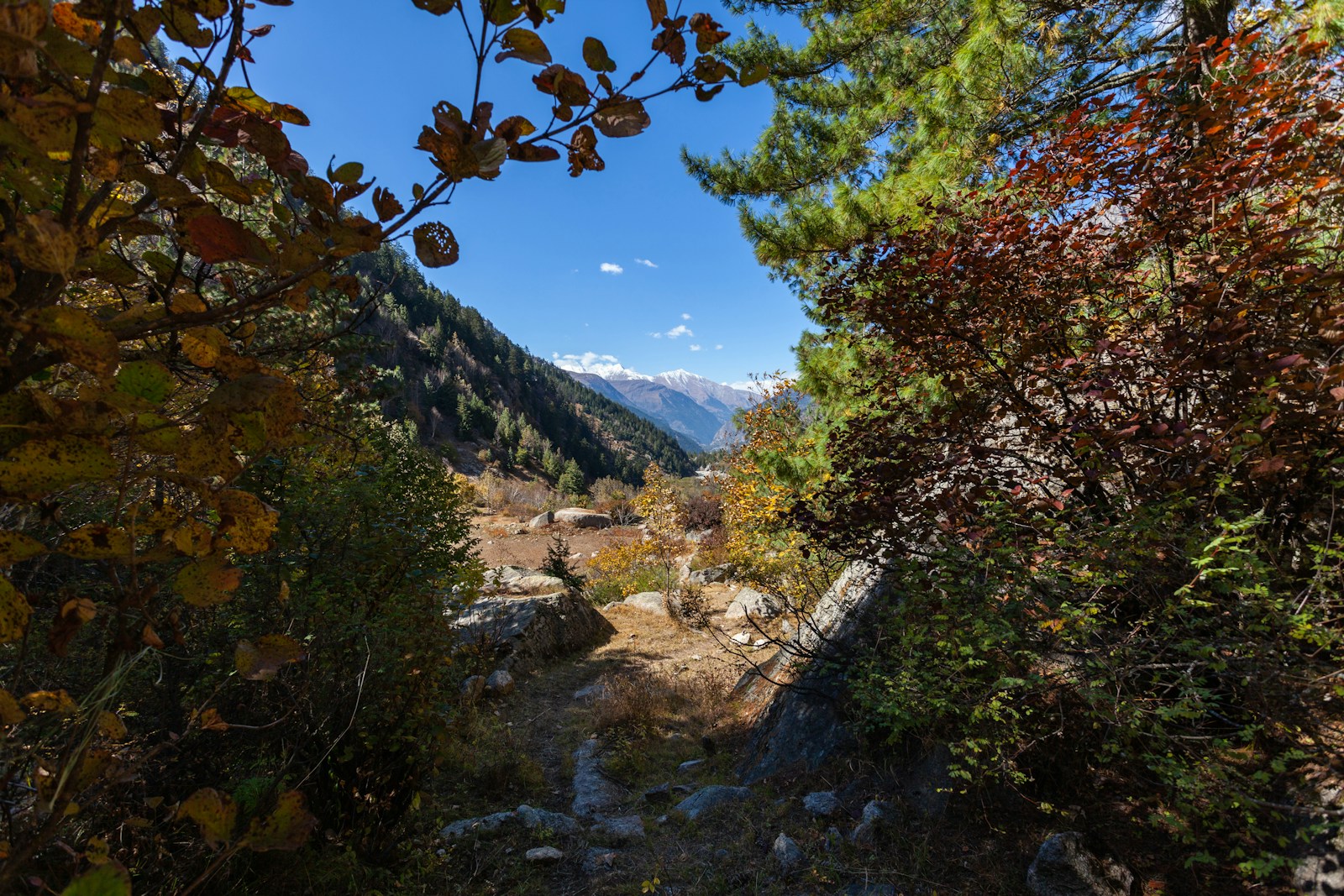
Fulaich and Phulaich in Kinnaur: Flowers, Local Names, and Village Variation
Fulaich or Phulaich refers to flower-centred observances in parts of Kinnaur whose names, dates, duration, deities, flowers, and sequences vary by locality.
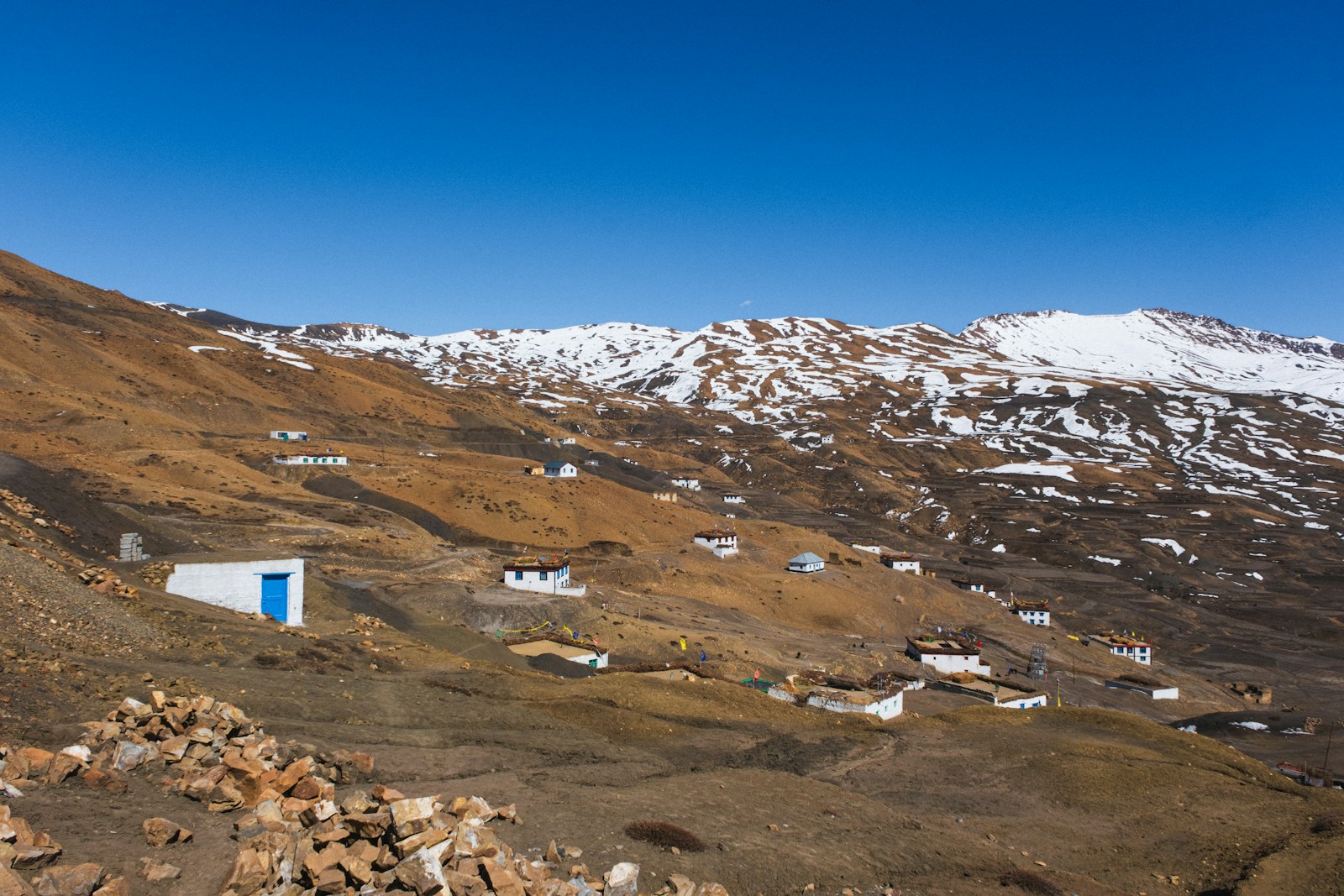
Planning a Responsible Spiti Valley Journey
A safety- and community-conscious Spiti planning guide covering gradual altitude gain, route-specific permit checks, conditional road access, and low-impact travel.
Sepu Badi, Sepu Vadi, or Sepu Wadi
Sepu Badi is a Mandi-associated lentil-dumpling preparation served in local dham, with documented versions combining urad, chana dal, curd, and spinach.
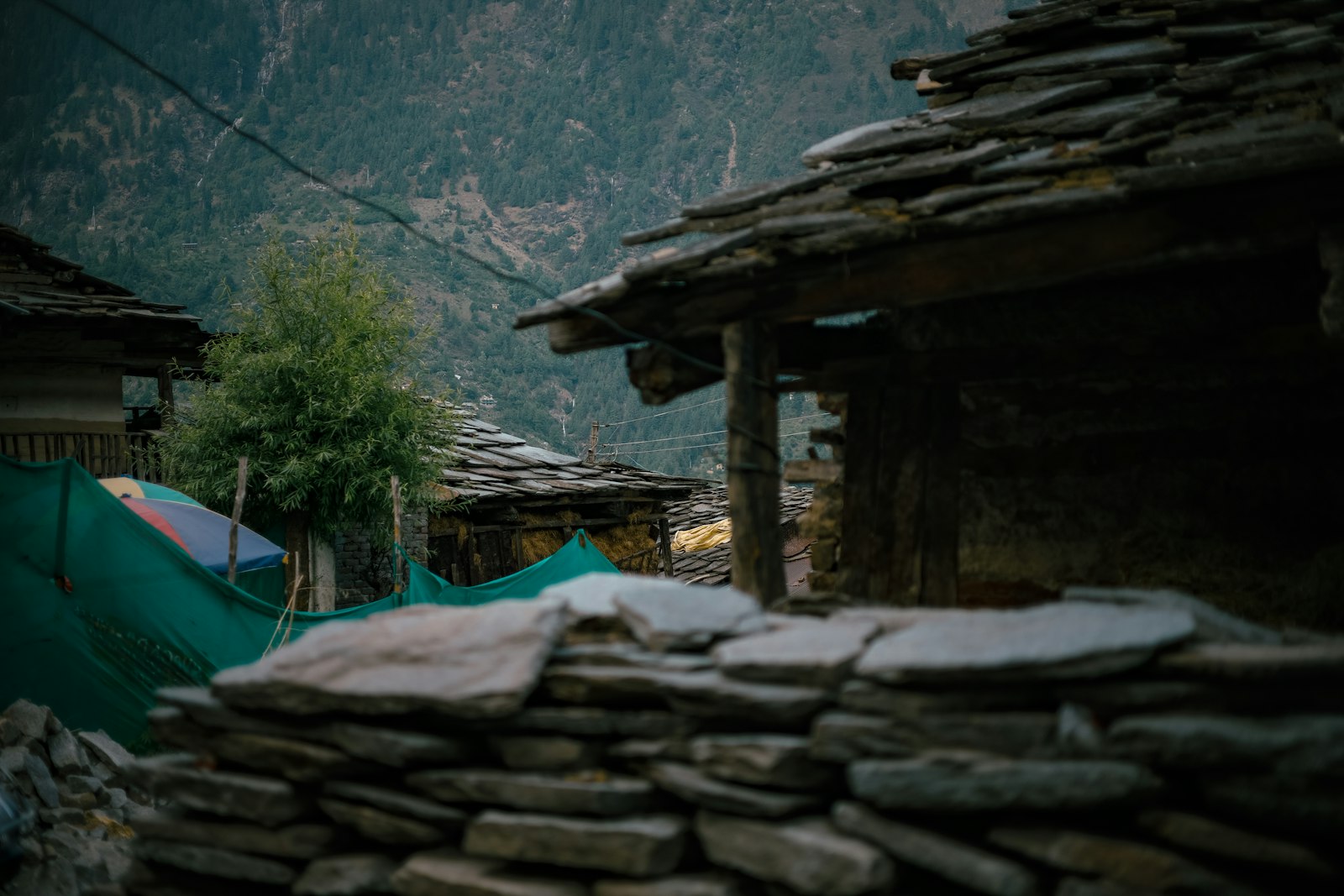
How to Build a Himachali Family Heritage Archive
A practical, consent-based guide to preserving Himachali family photographs, papers, recipes, recordings and memories across generations.
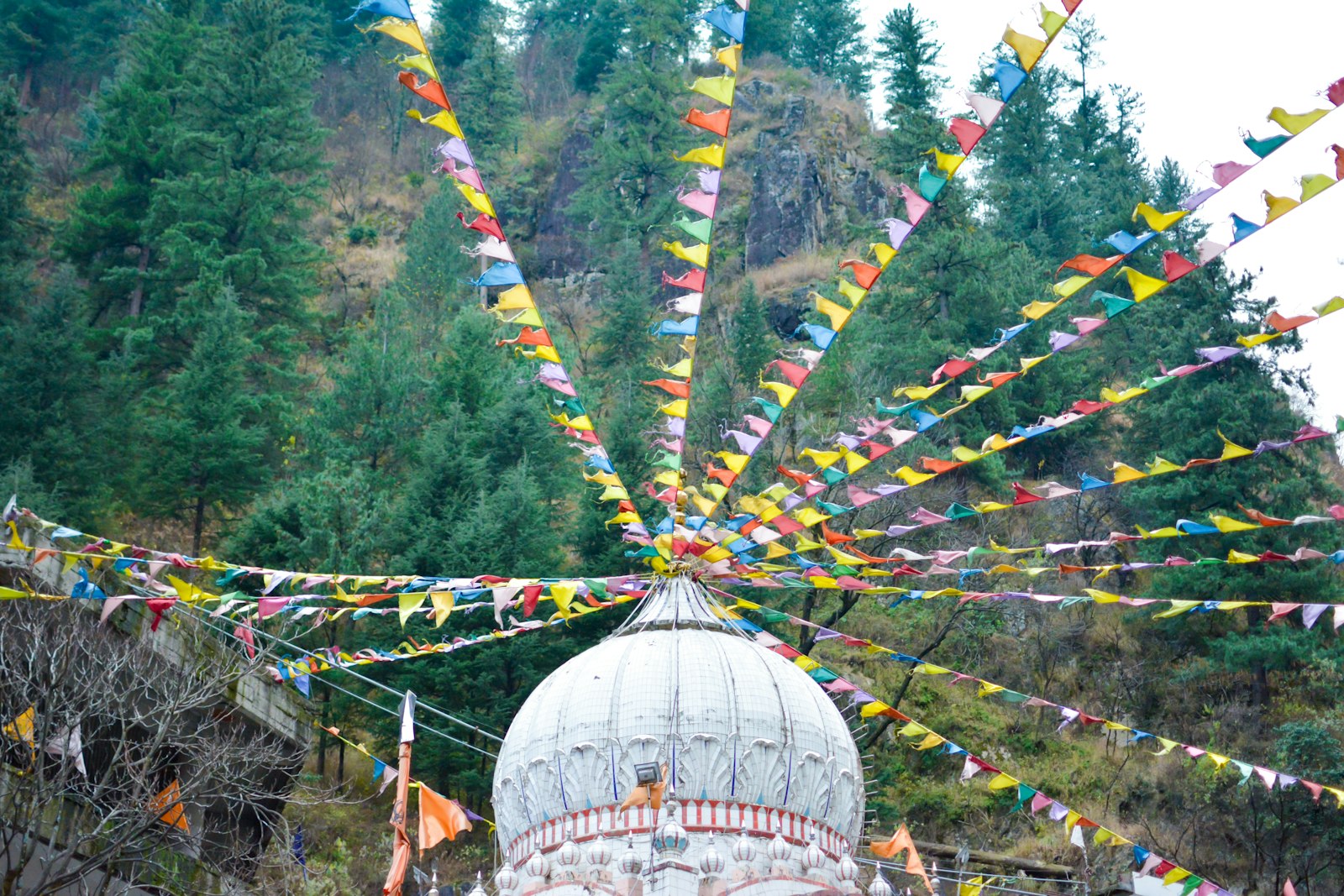
Celebrating Himachali Festivals Away from Home—Without Flattening Local Traditions
A practical guide to organising Himachali diaspora celebrations that name local traditions, respect community authority, and label adaptations honestly.
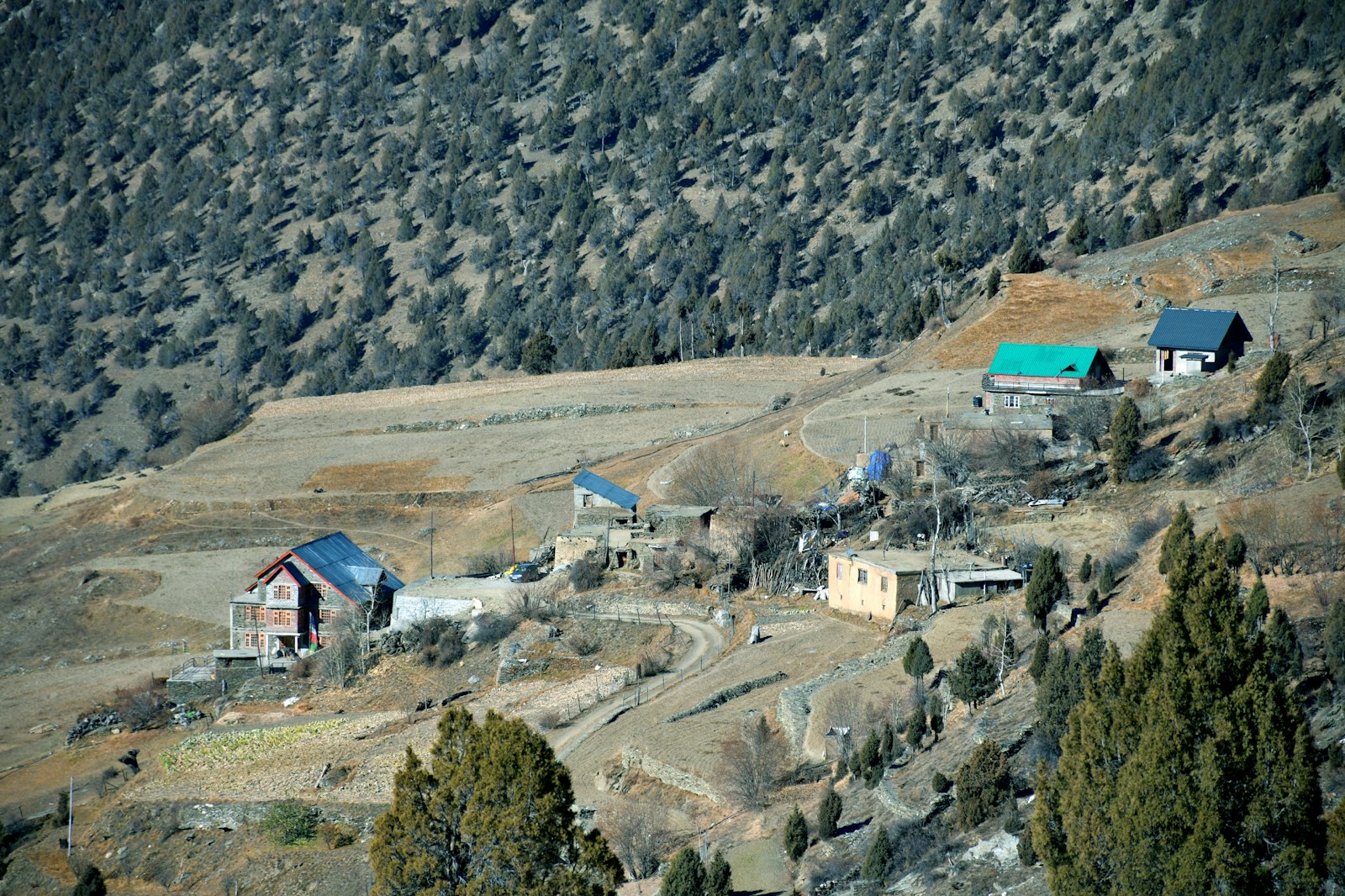
What Does It Mean to Be Himachali Away from Himachal?
A non-gatekeeping guide to Himachali identity as a layered relationship with people, places, memories, languages, and living practices across generations.
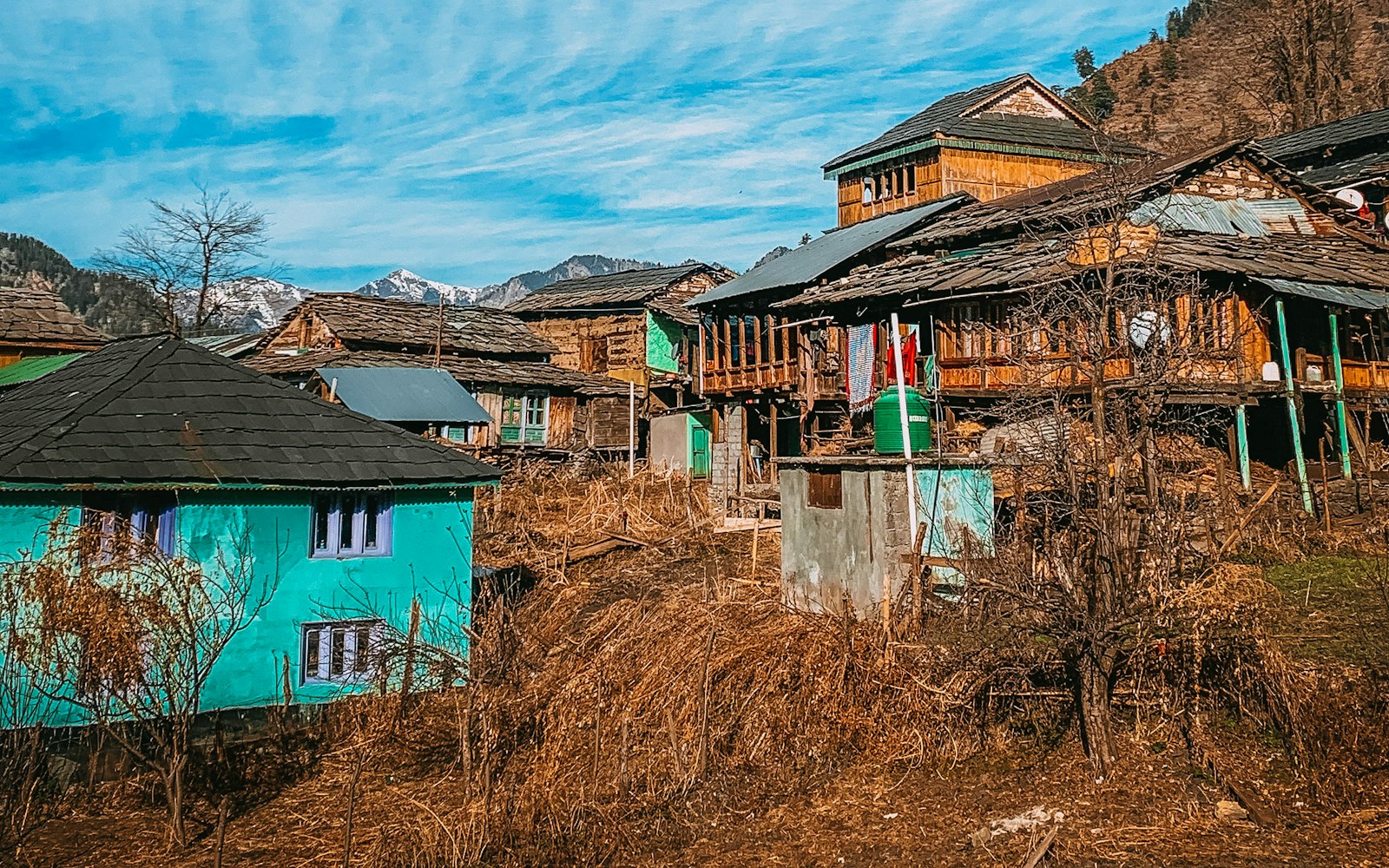
How Diaspora Families Can Keep Himachali Languages Alive
A practical, variety-aware guide to building Himachali language use through family routines, stories, media and shared responsibility—without guilt or purity tests.
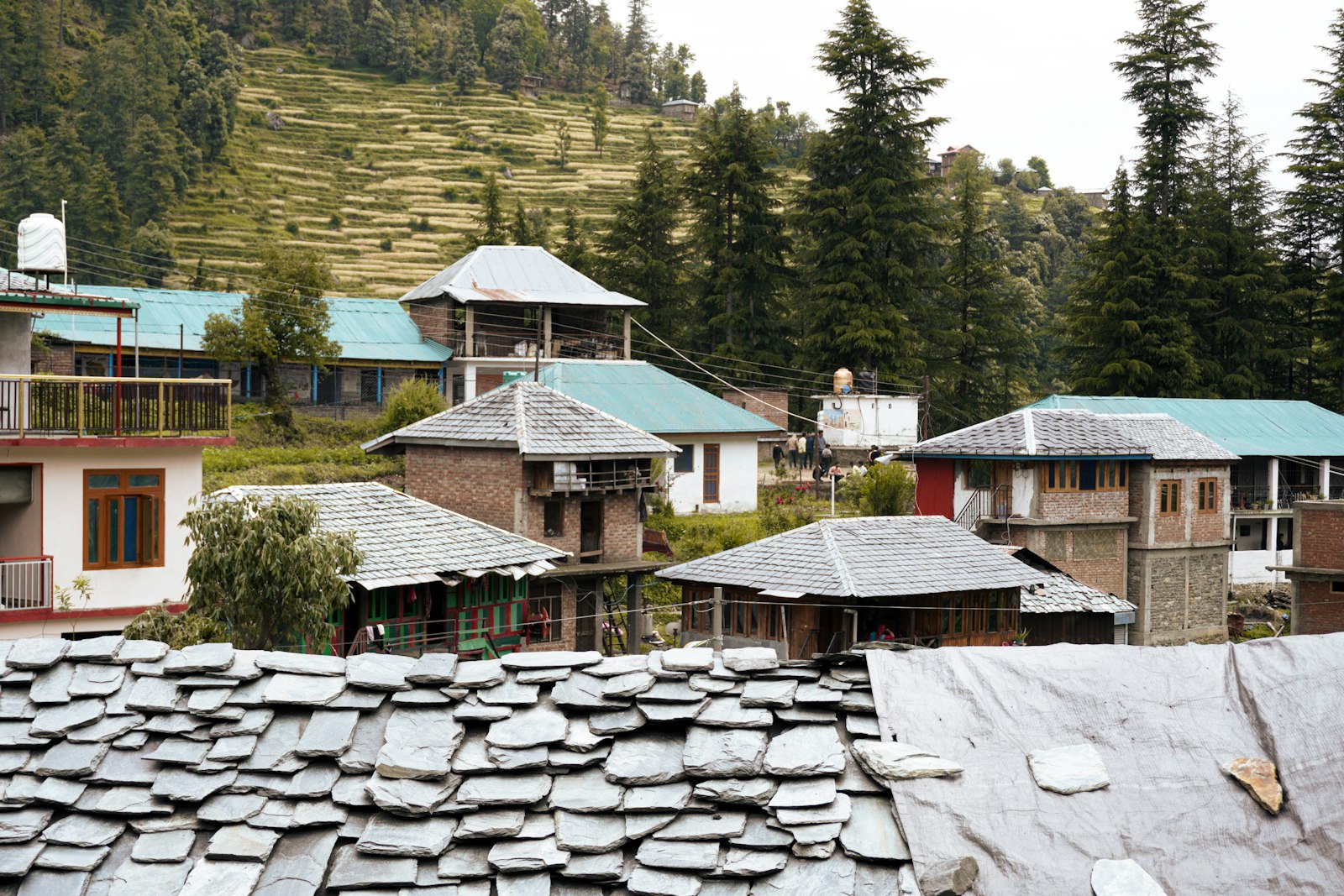
Planning a Roots Journey to Your Ancestral Village in Himachal Pradesh
A respectful, evidence-aware guide to identifying an ancestral village, seeking consent, planning for mountain conditions, documenting family history, and sustaining relationships after a Himachal roots journey.
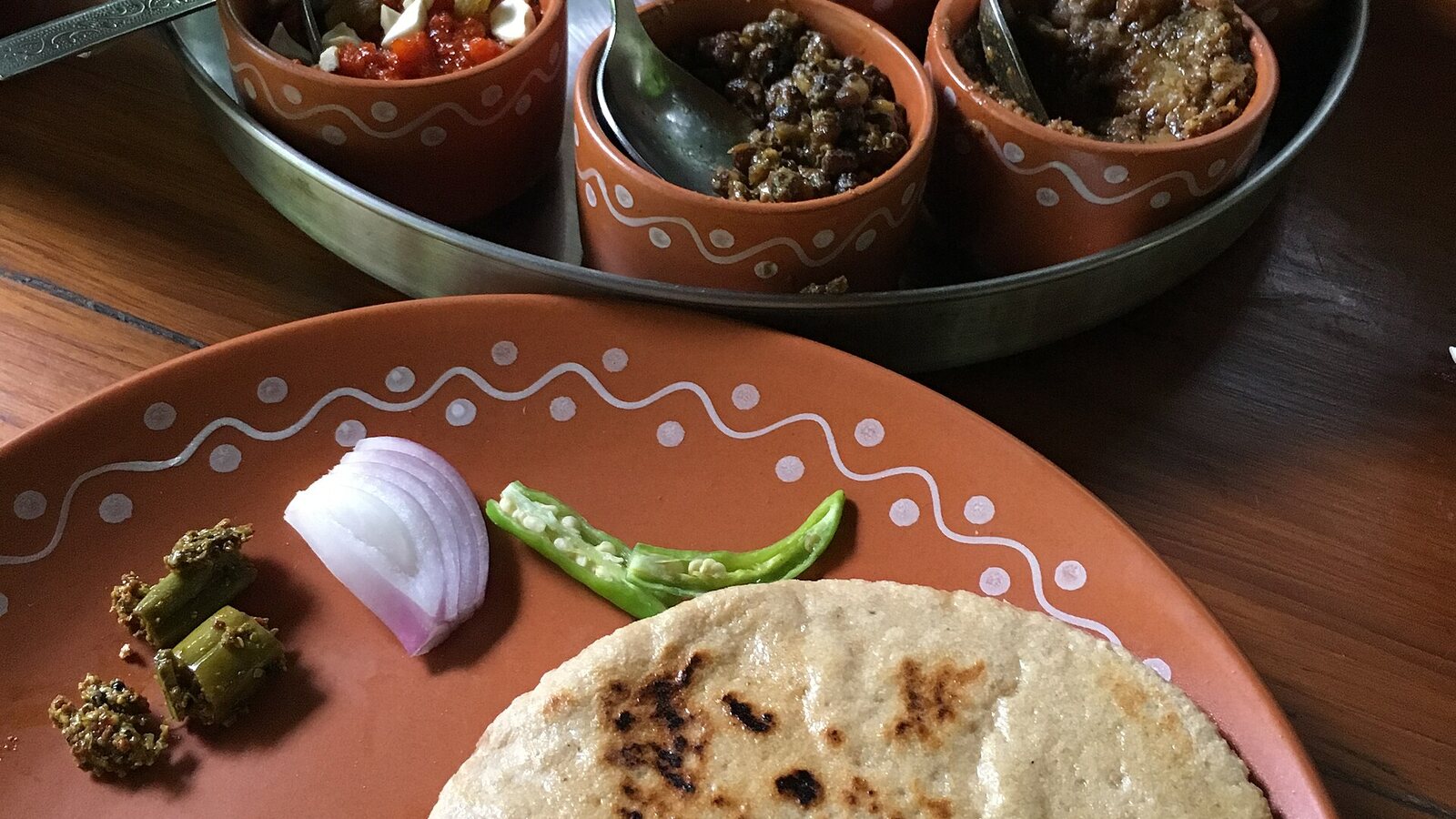
Himachali Dham
Himachali dham is a ceremonial meal prepared for festivals and community occasions, with regional menus, specialized cooks, and distinctive serving traditions.
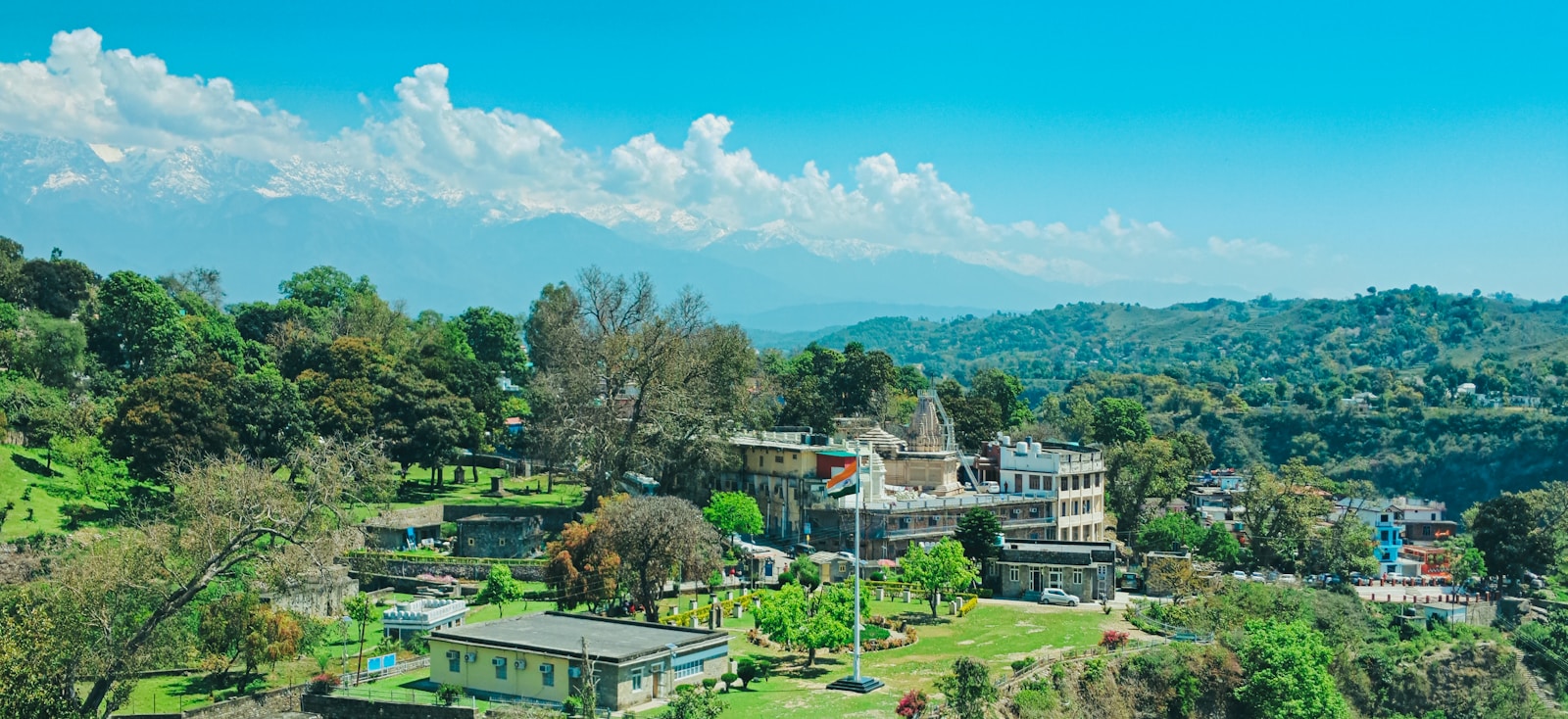
Kangra District
Kangra district spans fertile valleys and Dhauladhar foothills, with celebrated temples, painting traditions, tea gardens, forts, and diverse local communities.
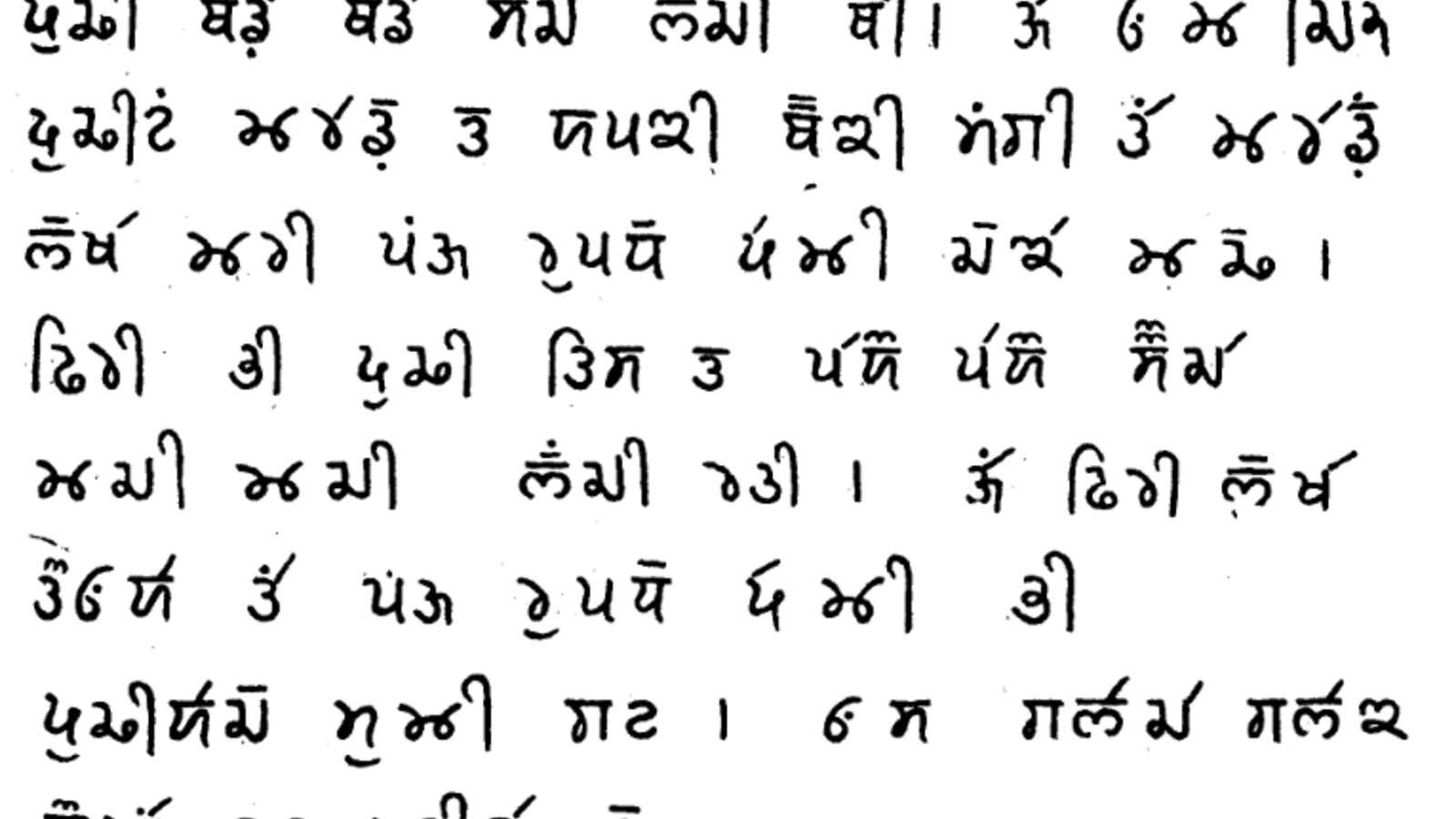
Kangri Language
Kangri is a regional language of the western Himalayan foothills, carrying a rich vocabulary, oral literature, songs, and everyday cultural expression.
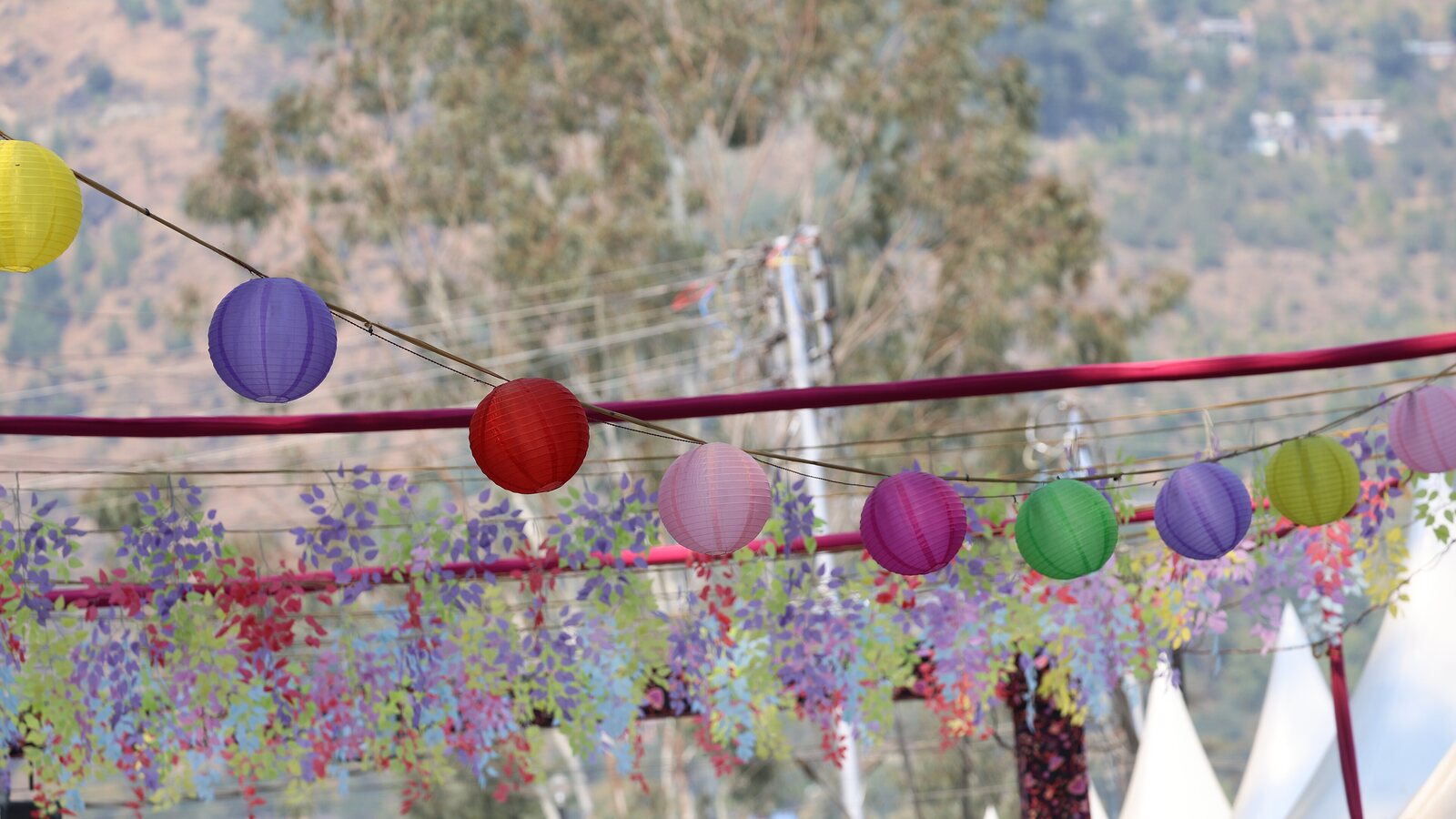
Kullu Dussehra
Kullu Dussehra is a major valley festival in which local deities, communities, ritual traditions, music, and public celebration gather around Dhalpur.
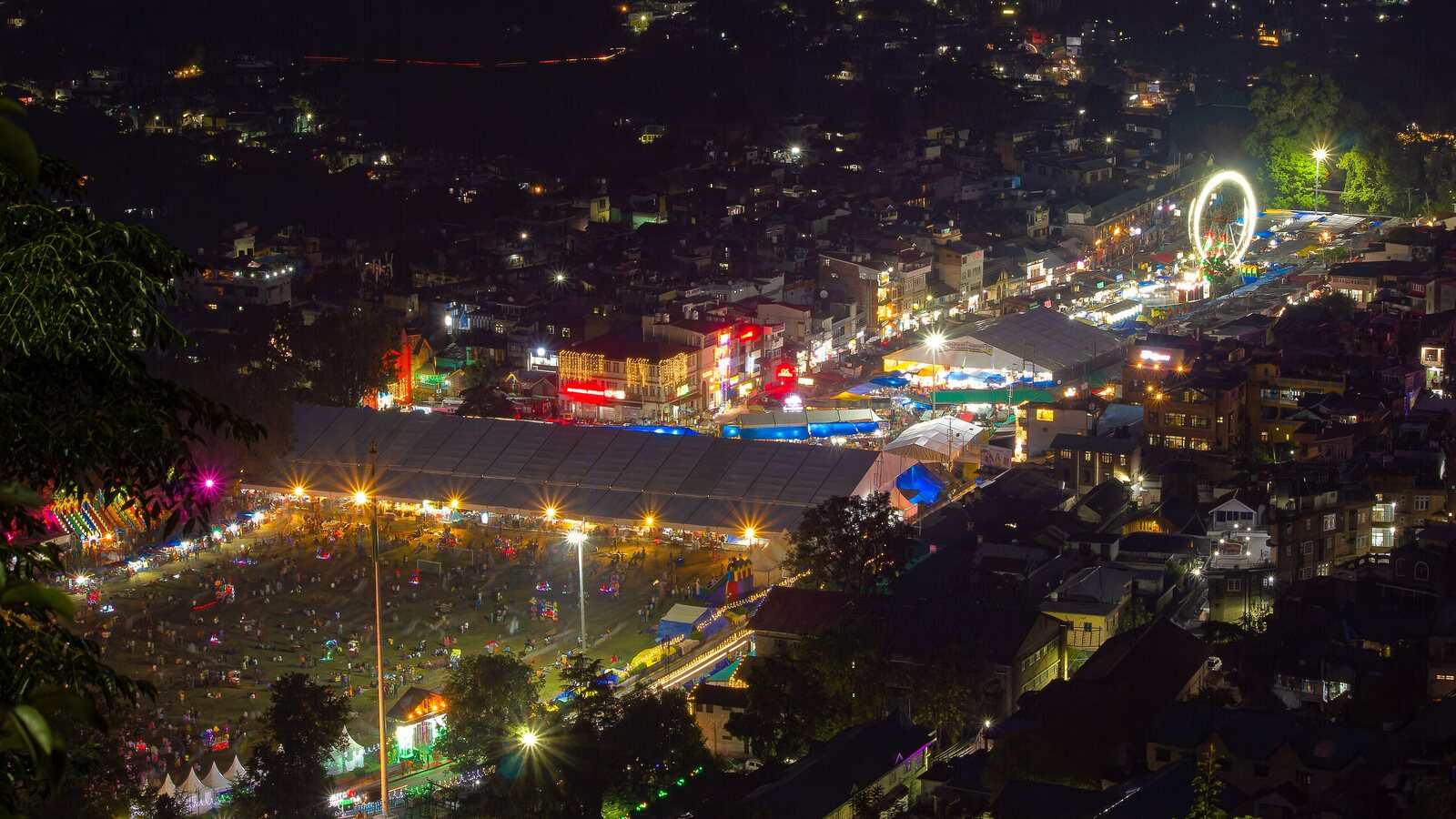
Minjar Mela
Minjar Mela is Chamba's historic seasonal fair, marked by processions, offerings, music, community gatherings, and traditions associated with the Ravi River.
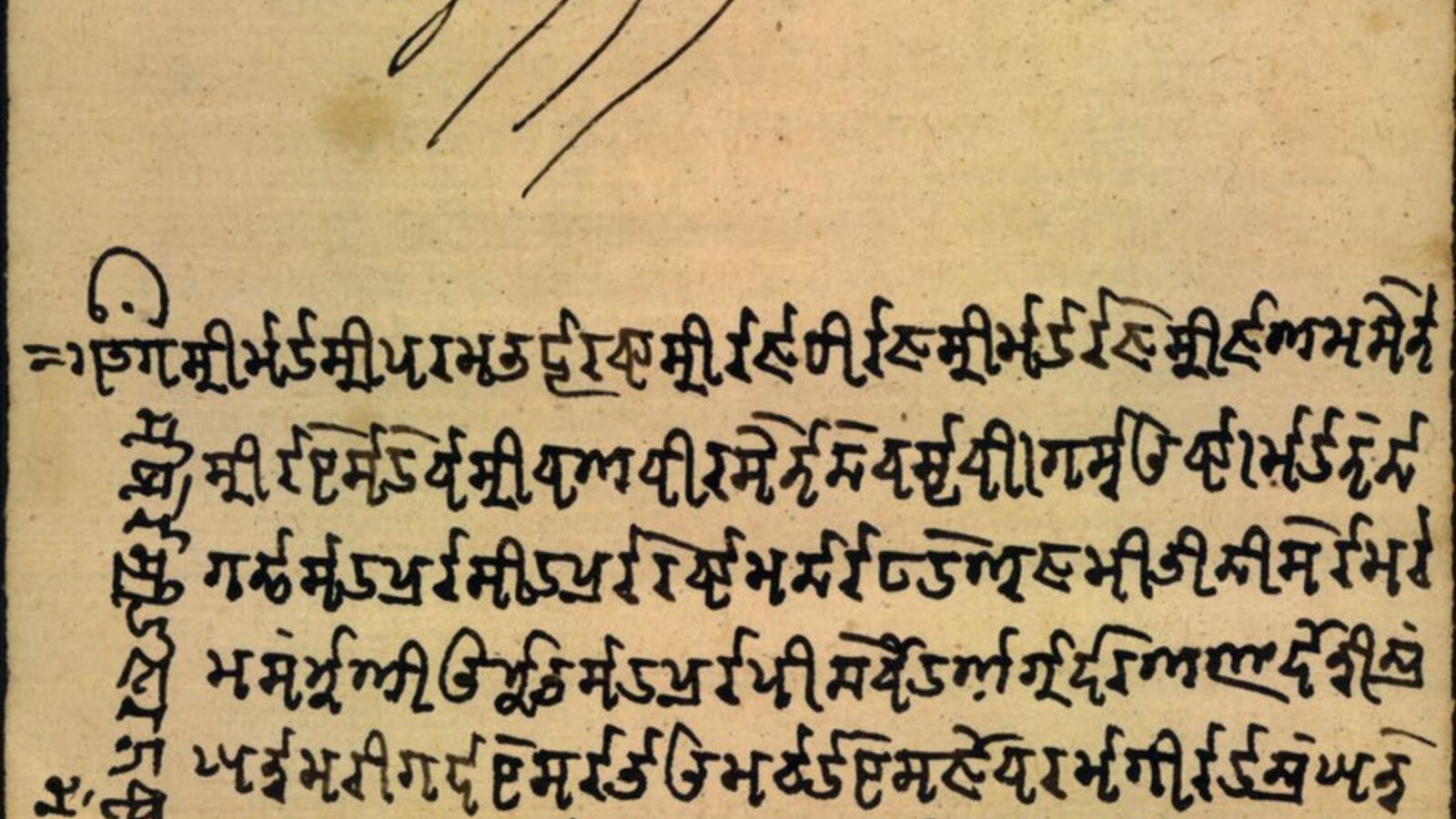
Pahari Languages: An Overview
An introduction to the diverse Pahari speech traditions of Himachal Pradesh, their regional identities, linguistic relationships, oral heritage, and present-day use.
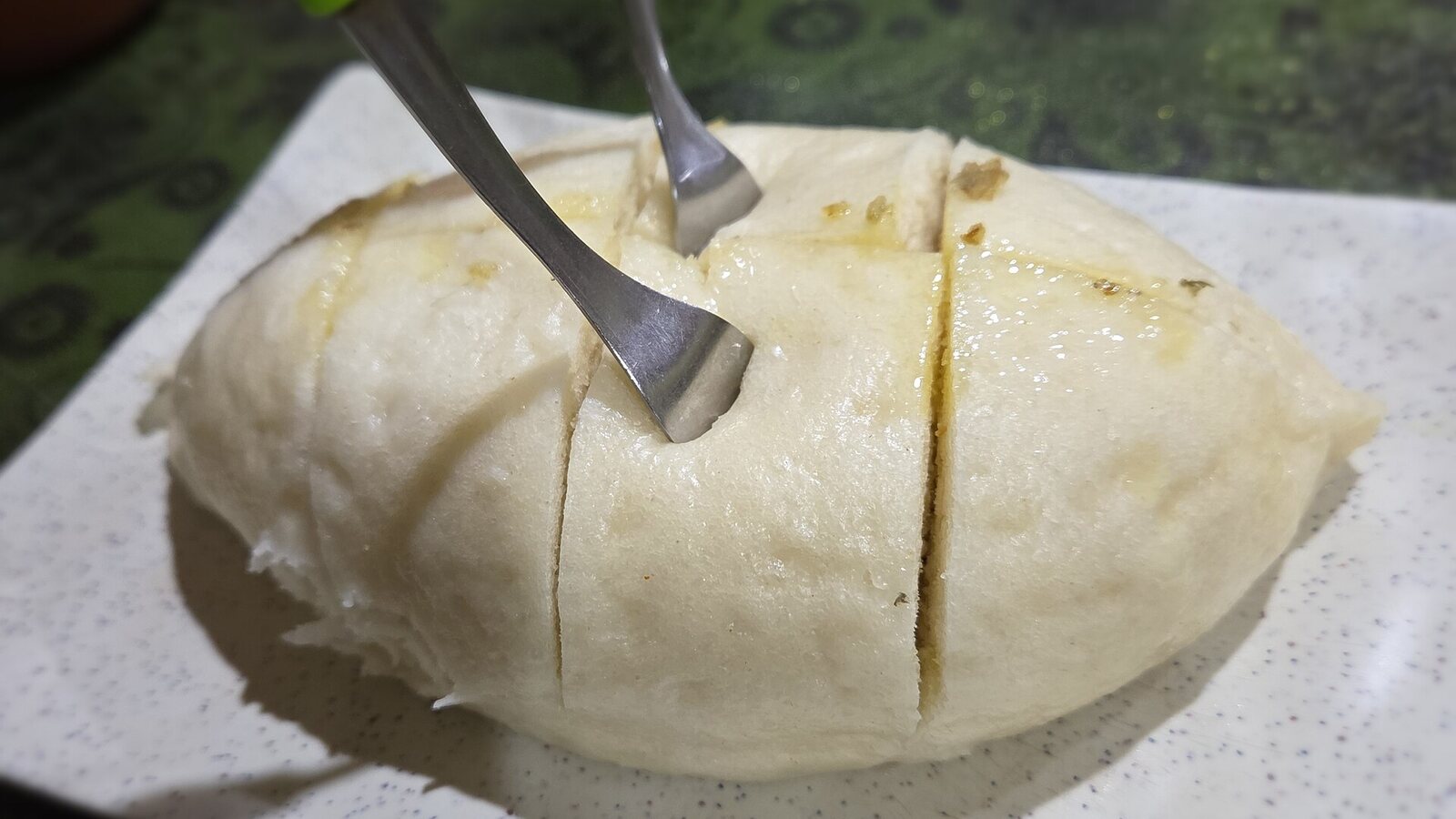
Siddu
Siddu is a steamed, fermented wheat bread made in parts of Himachal Pradesh, commonly filled or served with ghee, lentils, nuts, or savory accompaniments.